AI music generator
MusicGPT: AI Song & Music Studio
Turn a clear musical thought into a finished, playable direction — without leaving the moment.
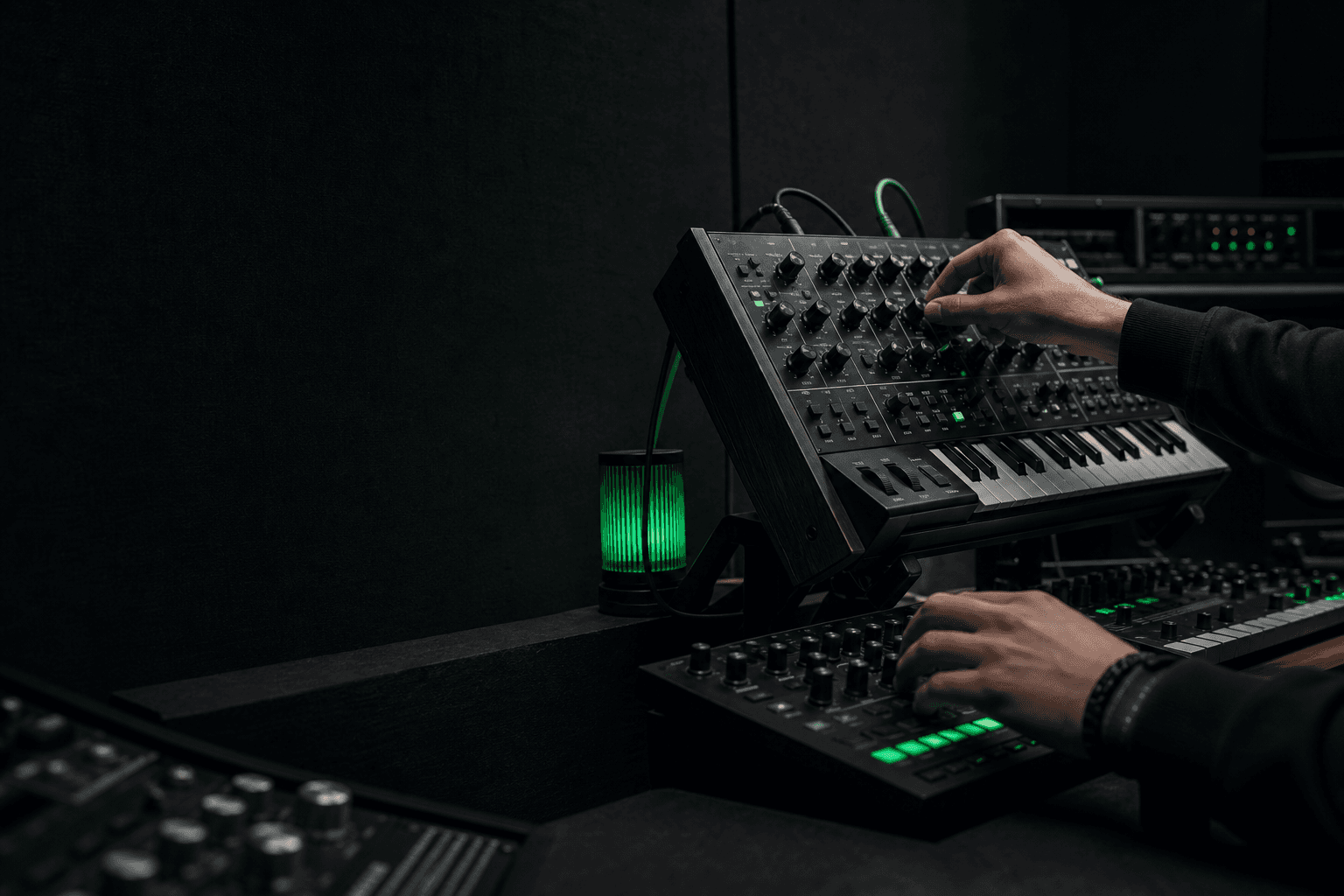
Shape the sound
while it is still yours.
LIVE DIRECTION
Text → MusicMade with MusicGPT
User generated music





From idea to sound
Make music without breaking the moment.
Start with the scene, genre, feeling, instruments, or a lyric fragment.
Set a direction when you need it, or leave room for surprise.
Hear a distinct track direction and keep iterating from what works.
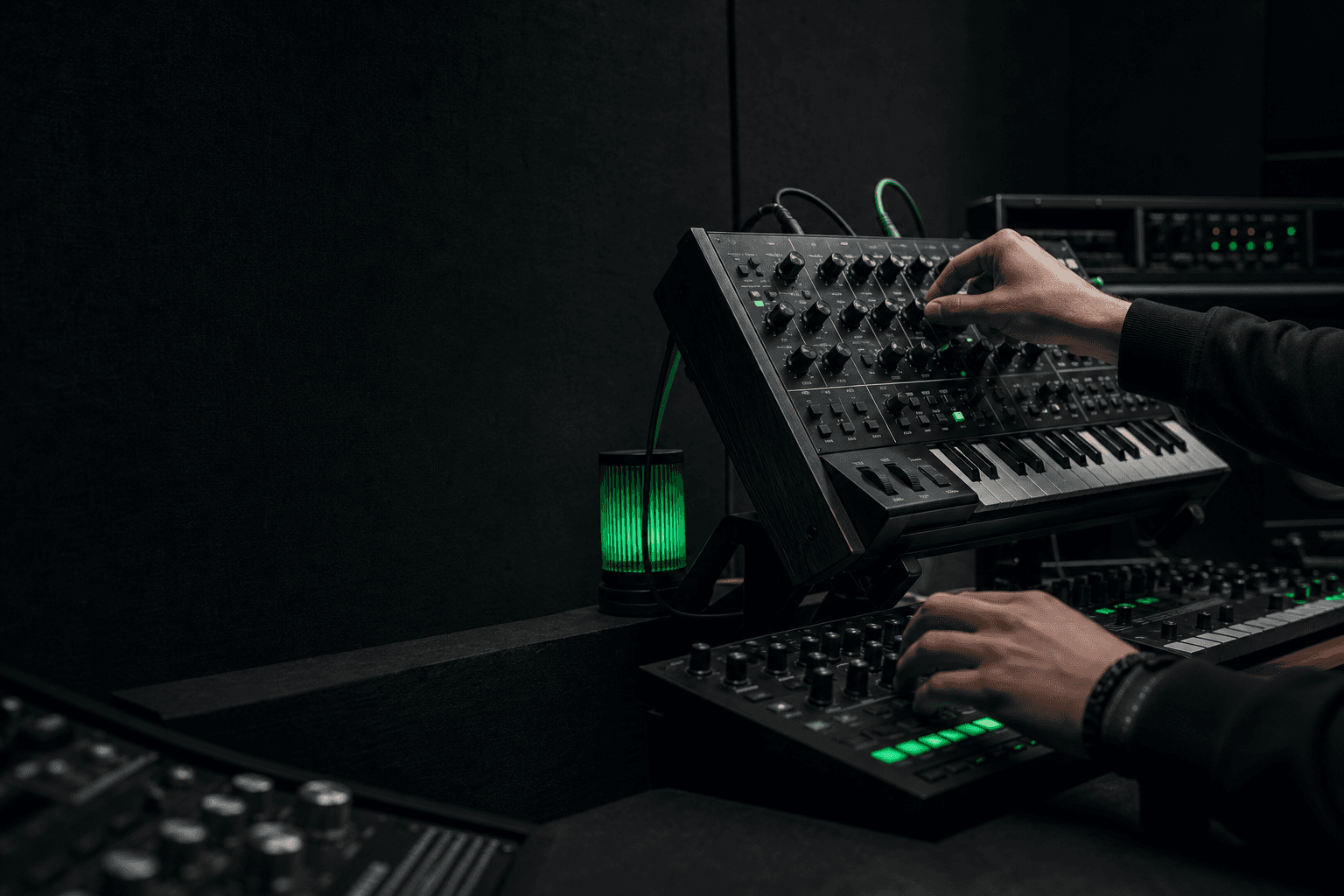
More than a song maker
Give every idea a musical shape.
MusicGPT is a focused music studio for creators, producers, and teams that need a sound direction quickly.
Open the studioLyrics in your voice
Shape full song ideas from a mood, story, genre, or a few unfinished lines.
Built for every language
Move from a local phrase to a global sound without changing your creative flow.
Fast by design
Turn an idea into a playable direction while the original thought is still fresh.
A growing library
Keep prompts and works together, ready to refine, share, or use as a starting point.
Music that knows where it is going.
Start with the context, then direct the sound around the work it needs to do.
Music for YouTube
Create original intros, explainers, and background tracks that fit your channel voice.
Music for Instagram
Make short, memorable sound for Reels, stories, and product moments.
Music for Commercials
Explore branded music directions before a campaign reaches final production.
Music for Podcasts
Build distinct themes, transitions, and beds for every episode.
A clear starting point
What can an AI music generator help you make?
MusicGPT is designed for the decision before production: the first song direction, background cue, lyric-led idea, or instrumental texture that lets you hear whether the concept is working. You can describe a scene, feeling, audience, pace, instruments, and vocal direction in ordinary language, then use the result as something to keep, reject, or refine.
The best prompt depends on where the music will go. A YouTube bed should leave room for narration, a podcast theme should establish identity without competing with speech, an Instagram cue needs a memorable opening, and a commercial direction should be reviewed against the campaign and its usage rights. Start with the job instead of asking every track to be a generic good song.
Describe the moment
Give the music a listener, setting, emotional movement, and a small sound palette so the first result has a clear purpose.
Choose the format
Decide between vocals, your own lyrics, generated lyrics, or an instrumental cue, then select the output your workflow needs.
Refine with taste
Listen for the part that feels specific, protect it in the next prompt, and change only the detail that misses the work.
Explore the Music GPT guide, compare current plans, or open the Studio when you are ready to hear the idea.
Simple access
Start with the sound. Scale when it matters.
Each song allowance covers a complete 3+ minute song with vocals and lyrics. One song uses 4 credits.
Cancel anytime · Unused credits roll over monthly
Free
1 song daily
Resets daily at 00:00 UTC
Free
- 1 complete 3+ minute song daily
- 7-day cloud storage
- Shared Generation Queue
- Commercial License & Unrestricted Usage Rights
- Private Generations
- Priority Generation Queue
Creator
100 complete songs/month
For consistent song creation
$9.99/monthBilled $119.88 annually
- 400 credits monthly (100 complete songs)
- Unused credits roll over monthly
- 90-day cloud storage
- Commercial License & Unrestricted Usage Rights
- Private Generations
- Priority Generation Queue
Most Popular
Studio
250 complete songs/month
For high-volume song production
$24.99/monthBilled $299.88 annually
- 1000 credits monthly (250 complete songs)
- Unused credits roll over monthly
- 180-day cloud storage
- Commercial License & Unrestricted Usage Rights
- Private Generations
- Priority Generation Queue
Music GPT guides
Find the prompt behind the search.
Questions, answered
Everything you need to begin.
MusicGPT is an advanced AI music generator that turns text descriptions into complete, high-quality audio tracks, songs, and background music in seconds.
A practical AI music generator guide
Start with the job the music has to do.
An AI music generator is easiest to use when the prompt begins with a listening situation. Instead of asking for a track that is simply good, say who will hear it, where it will appear, and what should change from the opening to the ending. A songwriter may need a vocal point of view and a memorable chorus. A video editor may need an instrumental bed that leaves room for narration. A producer may want three contrasting sketches before choosing one direction. The same tool can support all three projects, but the brief should make the difference explicit.
For a song, describe the person behind the voice.
Song prompts become more specific when they include a speaker, a scene, and an emotional turn. Add a tempo feel, two or three defining instruments, and the way the chorus should arrive. If you already have lyrics, keep the words visible and ask the generator to respect their point of view. If the idea is still only a title or image, use the AI Lyrics Generator to explore a structured draft before bringing the strongest version into Studio. Read the words aloud and revise anything that sounds unlike the person or story you meant to write.
For a video, write around the edit.
Background music is not a smaller song; it has a different job. Name the first visual beat, the narration-heavy sections, the reveal or transition, and the final frame. Ask for a controlled energy curve, enough space for speech, and an ending or loop point that an editor can use. The YouTube music guide, Instagram music guide, and podcast music guide show how the brief changes when the medium changes.
For a team, make the creative decision reviewable.
A generated result should give collaborators something concrete to discuss. Keep the project, listener, and delivery need constant while you compare one variable at a time: vocal versus instrumental, warm guitar versus electronic texture, restrained versus driving rhythm, or a gradual lift versus a clean loop. Describe musical traits rather than asking for a living artist's exact style. The best version is the one that serves the work clearly, not necessarily the one with the most layers.
For a release, separate creation from permission.
Free previews and paid-plan outputs can have different usage positions. Before putting a track in a monetized video, advertisement, client deliverable, or other public project, review the current plan details, the commercial-use guide, and the Terms & Conditions. Also check the rights in your lyrics, uploads, samples, and references. A plan permission does not by itself answer every question about third-party material or copyright in every jurisdiction.
Purpose
State whether the output is a complete song, a background cue, a transition, a lyric draft, or an exploratory sketch.
Listener
Describe the audience, scene, or visual moment so the emotional choices have a human destination.
Palette
Choose a small set of instruments, textures, vocal traits, and rhythmic qualities that can hold the idea together.
Boundaries
Include narration space, loop behavior, language, duration, output format, sounds to avoid, and the next decision you need to make.
A reusable MusicGPT prompt structure
Write: “Create [song or cue] for [listener and destination]. Start with [scene or image], move from [opening feeling] to [ending feeling], use [two or three sound anchors], choose [vocal or instrumental], and leave room for [dialogue, captions, or edit]. End with [clean resolution or loop].” Fill the brackets with project facts, then refine the result after listening.
Answers for the first search
How to choose the right AI music workflow.
An AI music generator is most useful when you already know what the output needs to do. MusicGPT turns a natural-language brief into a playable song or music direction, so the first decision is not which adjectives to add; it is whether you need a complete song, an instrumental cue, a lyric draft, or a reference for a larger production plan.
Choose the output your idea needs.
Choose a complete song when the vocal, lyric, melody, and section movement carry the idea. Name the person or point of view behind the voice, the moment the song begins in, the emotional change that should happen, and the small group of sounds that makes the world recognizable. A clear chorus goal gives the first generation something to resolve.
Choose an instrumental direction when the music must support an edit, voiceover, podcast, game scene, or visual identity. Describe the frame or scene, the listener, the energy curve, and where speech or other sound needs room. A background cue is successful when it helps the main message land, even if the music is less dense than a standalone song.
Choose a lyric-first workflow when the words are the part of the idea you cannot yet hear. The AI Lyrics Generator can help organize a theme, scene, mood, language, and song structure into a draft. Read the result aloud, retain the images that feel specific, and bring the strongest lyric direction into MusicGPT Studio before you judge the full arrangement.
Write a brief you can hear.
A useful MusicGPT prompt usually has five layers: destination, listener, scene, sound palette, and constraint. Destination says where the track will live. Listener gives the emotional target. Scene creates concrete material. The palette limits the arrangement to a few useful anchors. The constraint tells the generator what must remain open, repeat, change, or end cleanly.
Write project facts before genre labels. “A restrained bed under a founder interview, with a warm pulse and a clean eight-second ending” gives a production role. “Cinematic inspiring music” is a starting mood, but it leaves the listener, edit, duration, and handoff undefined. Add a genre only when it changes the musical decision you want to hear.
Review the result in context.
Review a generated result in the medium where it will be used. Put a YouTube cue under narration, test an Instagram hook on a phone speaker, listen to a podcast theme beside a real voice, or sing a lyric before deciding that the arrangement works. Keep one thing that feels specific and make one focused change on the next pass.
For team work, save the brief, chosen output, format, and review note together. A collaborator should be able to see what the music was supposed to do, what was kept, and why the next revision was requested. This makes AI music a reviewable creative process rather than a collection of unexplained generations.
Before publication, separate creative fit from release permission. Check the current plan, the commercial-use guide, the Terms & Conditions, and the rights in lyrics, recordings, samples, uploads, and references you supplied. A paid usage position can be important, but it does not answer every third-party or jurisdiction-specific question.
Match the workflow to your role.
For an independent artist, the first brief can stay small: a speaker, a scene, a tempo feel, two instruments, and the emotional turn of the chorus. Generate a direction, keep the vocal or melodic detail that sounds personal, and use the next prompt to solve one arrangement problem. This makes the process useful even when the final production will happen elsewhere.
For a video editor, write the cut points before choosing the sound. Note the opening image, the first spoken line, the reveal, the busiest visual section, and the last frame. Ask for a cue that enters with the edit, leaves room for narration, and resolves or loops where the timeline needs it. The medium should decide the arrangement density.
For a podcast producer, separate the theme from the bed and the transition. The theme can carry identity; a bed should stay behind speech; a transition should announce a change without becoming another story. Naming those roles helps the generator and gives the editor a concrete way to accept or reject the first result.
For a brand or client team, include a review question with the prompt: should the music feel trustworthy, curious, intimate, energetic, or spacious? Then decide which sonic detail carries that feeling and which detail would distract from the message. A review question is easier to approve than an unbounded request for “better” music.
Success is not only that the generated audio exists. It is that a listener can tell what the track is for, a collaborator can explain what should change, and the project owner can identify the plan and input checks required before release. Those three answers make the next creative action clear.
Make the next creative decision.
For a first song, keep the initial brief narrow enough to hear the result. A late-night scene, one speaker, a steady pulse, two defining instruments, and a chorus that opens gradually are enough to create a direction. Once you have heard the voice and arrangement, decide whether the next version needs a different lyric, a stronger hook, less density, or a new emotional turn.
For a series of videos or episodes, write the recurring identity separately from the individual asset. Keep a shared tempo range, texture, or transition behavior, then change the scene and message for each release. This gives a channel or show musical continuity without forcing every cue into the same arrangement.
For multilingual work, specify the language and the listener before you judge the lyric or vocal. Read the words in the intended language, check pronunciation and phrasing with a fluent listener where needed, and treat translation as a creative rewrite rather than a word-for-word substitution. The musical brief still needs the same scene, emotion, and delivery role.
For exploration, use the first generation to reduce uncertainty. You may be testing whether the idea wants a close vocal or an instrumental bed, a restrained pulse or a driving rhythm, a short hook or a gradual build. Name the question before you listen, then the result can tell you what to keep and what to investigate next.
Define the job
Call the output a song, cue, lyric draft, transition, intro, or exploratory sketch before describing its sound.
Give it a listener
Name the person, audience, scene, or picture that should make the emotional choices understandable.
Review one change
Keep the strongest detail from the first result and change the part that misses the intended use.
Record the handoff
Save the prompt, format, plan context, supplied material, and release checks with the project.
Turn the next thought into sound.
Open MusicGPT and make your first music direction free.
Create music