Indie pop · Bright
Citrus Window
Sunlit guitar, handclaps, and a soft vocal built for the first open window of the day.
- Created by
- MusicGPT Studio
- Prompt
- Indie pop, 104 BPM, warm acoustic guitar, soft female vocal, handclaps, sunlit and intimate
Track notes
What makes Citrus Window feel bright
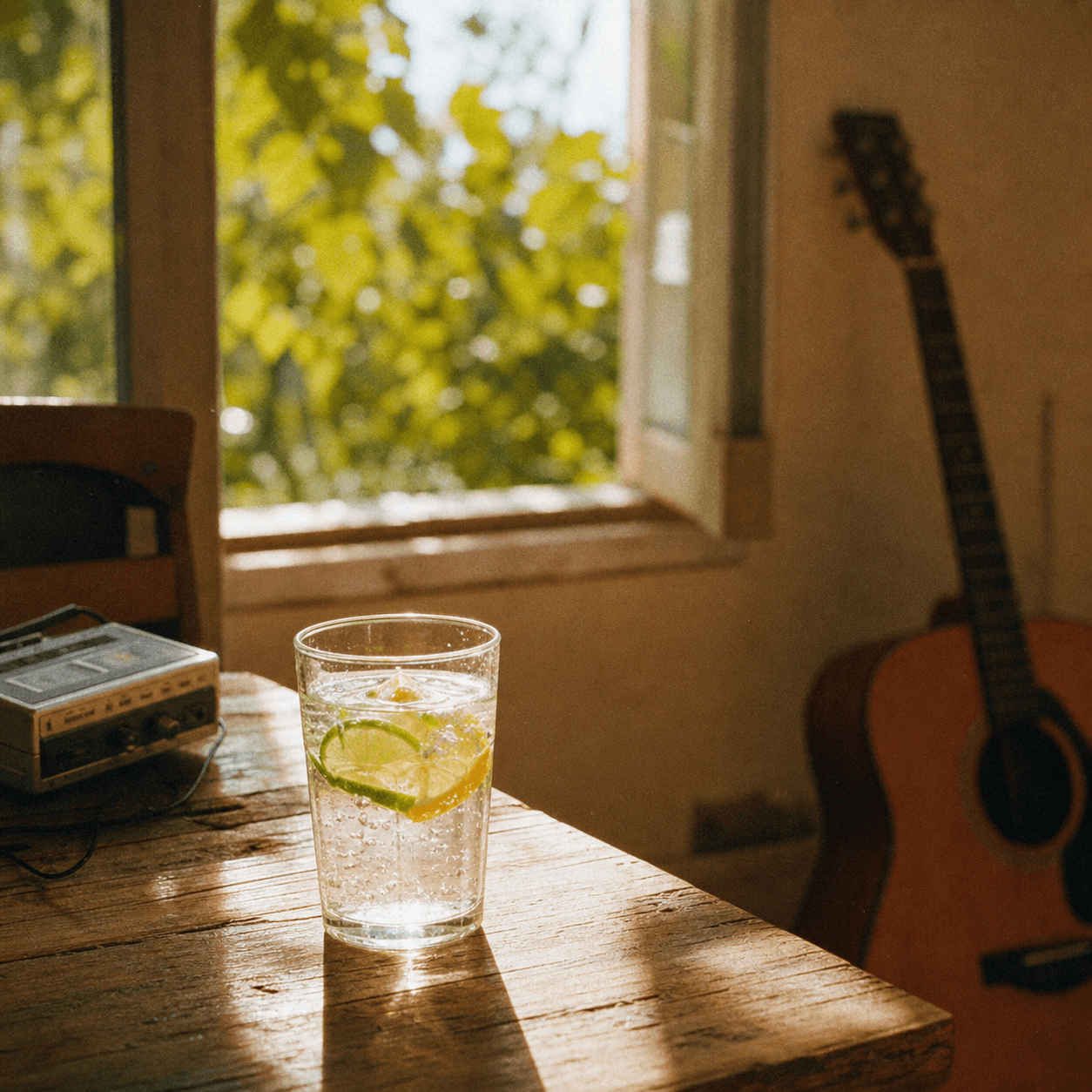
Citrus Window translates a small visual moment—the first open window of the day—into a short indie-pop direction. Warm acoustic guitar, handclaps, and a soft female vocal give the brief a clear palette, while 104 BPM keeps the energy moving without turning the track into a high-impact anthem.
This is a useful reference for short edits, lifestyle scenes, and product moments that need warmth in the first few seconds. The prompt is specific because it names both the sound and the visual job. If you adapt it, keep the number of anchor elements small and decide whether the ending should resolve cleanly or loop for a social clip.
Immediate texture
Acoustic guitar and handclaps establish the physical character before the arrangement needs to become complex.
Short-form pacing
The concise duration leaves the idea focused, which is useful when the visual edit has little time to introduce a mood.
Soft brightness
A gentle vocal can keep an upbeat direction human and approachable rather than overly polished.
From reference to new brief
Use Citrus Window to decide what your own track needs.
Citrus Window is a indie pop direction with a bright emotional center and a listed duration of 1:29. Those details are useful because they describe the scale of the idea as well as its sound. When you adapt it, keep the creative principle that fits your project and replace the scene, listener, and delivery need with your own.
The prompt for this work—Indie pop, 104 BPM, warm acoustic guitar, soft female vocal, handclaps, sunlit and intimate—is a starting point, not a requirement to copy the finished identity. Ask which element should lead in your version: the vocal, the rhythmic pulse, the guitar or keys, the bass, or the surrounding space. Then decide whether the track should support a visual edit, carry a lyric, or remain an instrumental reference.
Listen on the speakers your audience will use and check whether the main idea survives at the intended volume. If you publish a new generation, review the current plan details and usage-rights guide; a reference page does not change the rights attached to your own inputs or output.
Keep the musical behavior
Preserve the quality that matters, such as closeness, brightness, restraint, or gradual movement.
Change the project facts
Replace the original setting and audience with the scene, duration, edit, and listener your work actually serves.
Review before release
Judge the result for fit, originality, format, and the plan permissions that apply to the new generation.
A production reading
What Citrus Window teaches about a focused music brief.
The page describes Citrus Window as a indie pop direction with a bright center and a listed duration of 1:29. Those details are useful because they connect musical identity to scale. A close vocal, a short loop, or a long instrumental cue changes how the listener receives the same prompt. Use the description to decide which element should lead and which elements should remain supportive.
The starting prompt is: Indie pop, 104 BPM, warm acoustic guitar, soft female vocal, handclaps, sunlit and intimate. Treat it as a map of decisions rather than a request to reproduce a finished recording. Keep the quality that helps your project—an intimate vocal, warm low end, clear pulse, bright texture, or gradual movement—and replace the original scene, audience, story, and delivery need with your own. This is how a reference becomes an independent brief instead of a copy request.
Review a new version on the medium where it will be heard. Put a background cue below speech, check whether a short track loops cleanly, or read the lyric against the vocal space. If the main idea disappears, simplify the arrangement or change the prompt detail that caused the problem. The best next version is not always larger; it is the one that makes the intended listener experience clearer.
Keep creative review and release review separate. Save the prompt, inputs, output format, and plan context with the project. Check the current pricing and usage-rights guide before using a new generation publicly, and confirm that any lyrics, recordings, samples, or references you supplied were yours to use. This track page is a listening reference, not a rights clearance for another project.
For Citrus Window, the first production question is whether the bright center should remain in the foreground or support another element. If the track is used as a song, protect the vocal or melodic identity. If it is used as a cue, test whether the same texture leaves room for dialogue, captions, or a visual reveal.
The listed 1:29 duration is another brief decision, not just catalog information. A short work may need a clear hook and a clean ending; a longer work may need an energy curve that changes without losing its central texture. State the intended edit or listening context when you create your own version.
When you share this reference with a collaborator, describe the behavior you want to carry forward—indie pop, bright, intimate, bright, restrained, or gradually expanding—then replace the title, setting, and story with the facts of the new project. This keeps the handoff specific without turning the reference into a copy instruction.
A useful listening note can be very concrete: where the lead enters, when the arrangement opens, which frequency or instrument carries the mood, and whether the ending is final or loop-friendly. These observations help another creator reproduce the decision without reproducing the identity of Citrus Window.
If the work is a song, compare the lyric and vocal phrasing with the emotional movement. If it is used as a cue, compare the density with the speech or image it supports. The same indie pop palette can be successful in one context and distracting in another, so the destination belongs in the new brief.
Use this page as a reference for listening and prompt planning. A new generation should carry your own purpose, inputs, and release checks. That distinction gives the next version a clearer creative identity and keeps the production decision explainable.
When the intended listener is clear, the production choice becomes easier to name. A close vocal can carry a lyric, a steady pulse can help an edit move, and a restrained arrangement can protect speech. Decide which of those jobs belongs to your new track before you reuse any other descriptive detail.
Keep a short before-and-after note when you revise: what the first version did, what missed the project, and what one instruction changed. That note turns a reference page into a repeatable MusicGPT workflow and gives a collaborator a reason for the next version.
Keep the behavior
Preserve the sonic quality that makes the direction specific, such as closeness, brightness, restraint, or gradual change.
Change the facts
Write your own scene, listener, duration, lyrics, and edit constraints so the new result has its own purpose.
Review the release
Check fit, originality, format, inputs, platform rules, and the plan permissions attached to the new output.